Audit Your Trash: Live More Sustainably
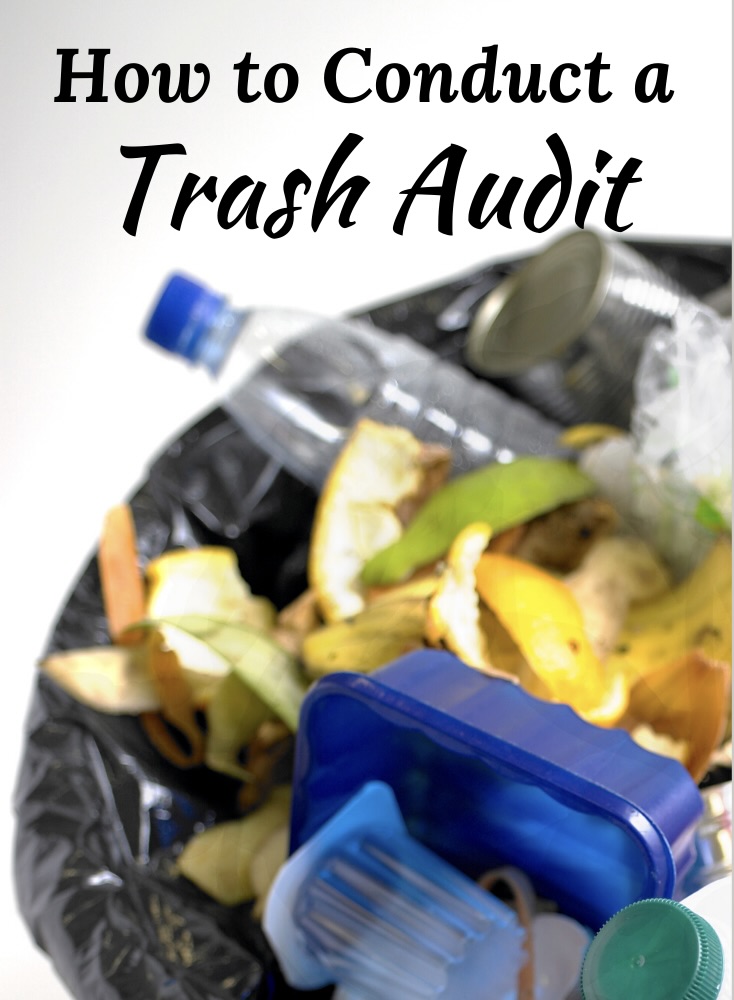
Summary: Audit Your Trash: How to Use Data to Live More Sustainably
Description
Audit Your Trash: How to Use Data to Live More Sustainably
Conducting a trash audit can be an eye-opening way to understand your consumption habits and pinpoint areas where you can reduce waste. Here’s a step-by-step guide to help you conduct a trash audit and use the results to improve your sustainability practices.
What You’ll Need
- Gloves
- A tarp or large sheet to spread out waste
- Separate bins or bags for categories like recyclables, compostables, and non-recyclables
- A notebook or spreadsheet to track your findings
Deep Dive
Steps to Take
Step 1: Gather Your Waste
Pick a week to conduct your audit without changing your regular habits. This gives you a clearer picture of your typical waste patterns. At the end of the week (or, you can do this each time you’ve filled a garbage bag throughout the week), sort through your trash by laying it out on the tarp and separating it into categories:
- Items that can be recycled include plastics, paper, and glass. Check with Recycle Smart to ensure you’re not “wish-cycling”
- Compostable materials like food scraps, yard waste, etc.
- Non-recyclable plastics include packaging, wrappers, medicine bottles, tetra packs, etc. Be sure to check recyclability with Recycle Smart.
- Items that can’t be recycled or composted are considered trash.
- Batteries, electronics, chemicals, and other hazardous materials should be disposed of according to local guidelines after they are added to your datasheet.
Step 2: Record Your Data
Document how much you’re discarding from each category. You can weigh the items or count them (e.g., the number of plastic bottles or food scraps). If you want a deeper dive, you can even track which brands are contributing to your waste. Knowing which brands contribute to your waste helps you make informed choices, reduce unnecessary packaging, and support companies with sustainable practices. It also empowers you to advocate for better corporate responsibility and adjust your consumption habits to minimize waste.
Step 3: Analyze Your Results
Once you’ve gathered your data, review it to identify patterns. Ask yourself:
- Am I throwing away a lot of food waste?
- Is plastic packaging making up the bulk of my trash?
- Are there items I could recycle or compost that I’m currently tossing?
- What is the most frequent item in my waste, and how can I reduce or replace it?
Step 4: Make a Plan for Sustainable Change
If you find a lot of food scraps or expired items, try meal planning, buying only what you need, and using leftovers. Consider starting a compost bin or joining a service like Black Earth Compost to divert organic waste from landfills.
Identify single-use items in your trash (e.g., water bottles, zip-top bags, cling wrap) and switch to reusable alternatives like stainless steel bottles, silicone bags, or beeswax wraps. Just remember, the most sustainable choice is to use what you already own before buying new. Then, begin switching to reusable options for items you frequently toss. For instance:
- Use cloth napkins, cloth kitchen towels, and handkerchiefs instead of paper.
- In the bathroom, switch to reusable safety razors and refillable containers for products like soap, shampoo, lip balm, and deodorant.
- Buy economy sizes to reduce packaging waste, refilling smaller bottles when needed.
- Make large batches of homemade items and freeze items like pancakes, bread, soup, and casseroles to avoid pre-packaged convenience goods
- Bring reusable bags, containers, and produce bags to the store. Shop at places where you can buy in bulk, like Live Free Refillery
- Seek out zero-waste products as much as possible (dish detergent, shampoo, soap)
Make sure you’re recycling everything possible. You might discover items you didn’t know could be recycled. Look for TerraCycle drop-off points that accept hard-to-recycle items, or invest in a TerraCycle Zero-Waste bin for items like snack wrappers or chip bags.
The most important part of this exercise is reflecting on your results and adjusting your habits. Set achievable goals and keep your changes incremental to prevent becoming overwhelmed by a radical lifestyle change track. To really feel the difference you are making, be sure to track your progress by conducting another audit in a few months to really see your impact. As you make these changes, you’ll become more mindful of what you bring into your home, eventually shifting to a more sustainable lifestyle, one habit at a time.
- All Actions