Switch to Electric Landscaping Tools
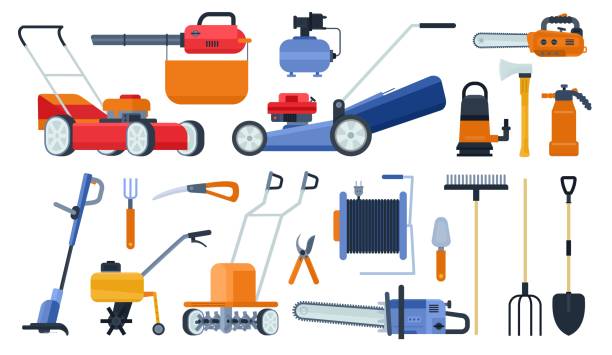
Summary: Switch to Electric Landscaping tools
Description
Tired of your noisy and smelly lawnmower, string trimmer or blower? Replace your gas powered equipment with electric versions. The benefits are many.
- No point-of-use air pollution. Gasoline engines emit carbon monoxide, nitrogen oxides, and volatile organic compounds (VOCs). Electric equipment produces no point-of-use pollutants.
- Reduced carbon footprint. Electric devices are more efficient users of energy and the power used to charge them often comes from non-carbon emitting sources.
- Reduced noise pollution. Electric motors are much quieter than gasoline engines.
- Elimination of harmful chemicals. With electric devices there are no volatile fuels to buy, transport and store and no oil to change and dispose of.
- Ease of use. Electric tools are lighter and start with the flick of switch.
- Reduced tool maintenance. Electric motors are more reliable and require less upkeep than
gasoline engines.
Abandoning gasoline-powered tools in favor of electric or manual alternatives is a meaningful step toward reducing pollution, conserving natural resources, and fostering a healthier environment.
Deep Dive
Read an article in the Atlantic about how a writer and activist worked to get leaf blowers banned in Washington, DC.
Check out a study from scientists in the Boston area estimating emissions from lawn and garden equipment.
If you are eligible for Mass Saves rebates, you can save on your purchase of electric equipment.
Steps to Take
- When you replace your landscape maintenance tools, purchase electric powered
equipment. It will reduce harmful emissions and noise pollution. - If you hire a lawn care company, find one that uses electric powered equipment. If you
cannot find one that serves the Groton area, urge your supplier to make the transition to
electric tools. - To even further reduce your environmental impact, use hand powered tools when
feasible -- for example, rake your leaves rather than blowing them. (Or leave them in
place to add nutrients back into your soil and provide habitat for local wildlife.)